
Dental Veneers vs. Bonding: Which Cosmetic Option Is Actually Worth It?
 Should I get veneers or bonding? It is one of the most debated topics in online dental communities, and for good reason. Both options can transform your smile, but they are very different in terms of cost, durability, and what happens to your natural teeth.
At Kanaka Creek Family Dental in Maple Ridge, we perform both procedures regularly and help patients navigate this exact decision. Here is a straightforward comparison to help you figure out which one makes sense for your situation.
What Is Dental Bonding?
Composite bonding is a procedure where your dentist applies a tooth-coloured resin material directly onto your tooth, sculpts it into shape, and hardens it with a special curing light. The entire process typically takes 30 to 60 minutes per tooth and can usually be completed in a single visit with little to no anaesthesia. Bonding is ideal for fixing small chips and cracks, closing minor gaps, reshaping slightly uneven teeth, and covering small areas of discolouration.
What Are Dental Veneers?
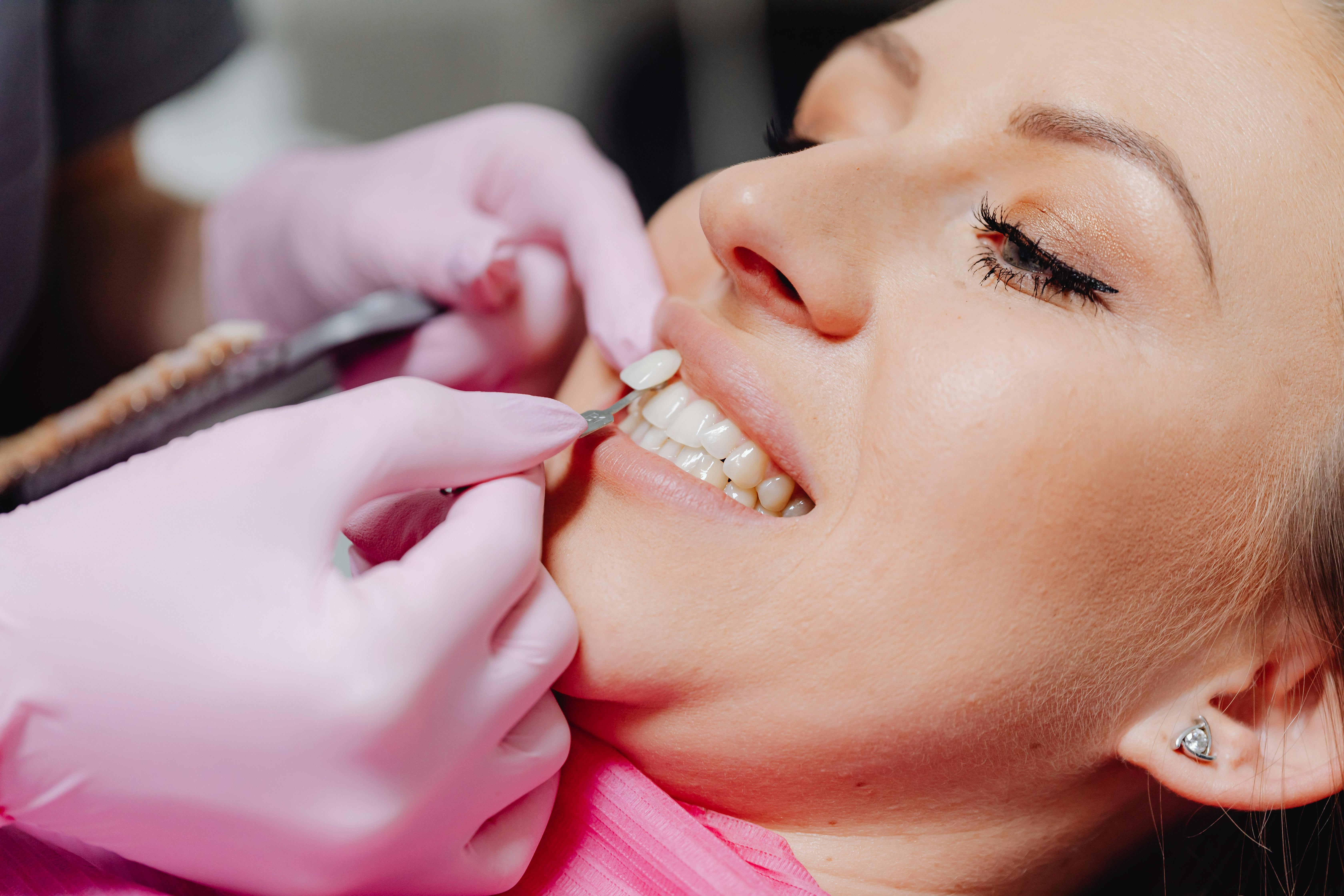
Veneers are thin shells — usually made of porcelain or advanced ceramics — custom-fabricated to fit over the front surface of your teeth. Traditional porcelain veneers require removing a thin layer of enamel (about 0.5mm) to create room for the veneer to sit flush. At Kanaka Creek, we use CEREC technology with our Primescan digital scanner and PrimeMill milling unit, which means we can design and fabricate porcelain veneers in-office — often in a single appointment. We also offer 3D-printed veneers using our SprintRay Midas printer for certain cases.
The Honest Comparison
| Factor | Bonding | Veneers |
|---|---|---|
| Cost per tooth | $300 – $600 | $900 – $2,500 |
| Lifespan | 3 – 7 years | 10 – 20 years |
| Appointments | 1 visit | 1–2 visits |
| Tooth prep | Minimal to none | Enamel removal |
| Stain resistance | Moderate | Excellent |
| Reversibility | Fully reversible | Not reversible |
| Best for | Minor fixes | Full smile makeovers |
The Cost Question
Bonding costs less upfront — significantly less. But consider the long-term math: four bonded teeth at $500 each means $2,000 now, but roughly $8,000 over 20 years with replacements every 5 years. Four porcelain veneers at $1,500 each cost $6,000 upfront, but may only need one replacement over 20 years. Neither option is categorically cheaper — it depends on how many teeth, how well you maintain them, and how important long-term aesthetics are.
Which One Should You Choose?
Choose bonding if:
- You have one or two teeth with minor imperfections
- You want a quick and affordable fix
- You are under 25 and your teeth are still settling
- You prefer a reversible option
- You want to "test drive" a cosmetic change before committing to veneers
Choose veneers if:
- You want a full smile transformation across multiple teeth
- Your teeth have significant discolouration, wear, or damage
- You want results that will last 15+ years
- You are a coffee or red wine drinker and want stain-resistant results
- You have already tried bonding and find yourself replacing it frequently
Consider both: Some patients get veneers on their most visible front teeth and bonding on adjacent teeth for a balanced, cost-effective result.
Frequently Asked Questions
- Do veneers look fake?
Not at all. Modern porcelain veneers are designed to match your natural teeth perfectly — in colour, translucency, and shape. They can be as subtle or dramatic as you want. The days of overly white, blocky veneers are long gone.
- Does bonding look as good as veneers?
For small corrections, skilled composite bonding can be virtually indistinguishable from natural teeth. For larger transformations across multiple teeth, porcelain veneers generally produce a more consistent and long-lasting aesthetic result.
- Can I get veneers in one visit?
Yes! At Kanaka Creek Family Dental, we use CEREC technology with our Primescan scanner and PrimeMill milling unit to design and fabricate veneers in-office, often in a single appointment.
- Does dental insurance cover veneers or bonding?
Most dental insurance plans cover bonding when done for structural reasons such as repairing a broken tooth. Veneers are often classified as cosmetic and may not be covered. Our team can help you understand what your plan covers before you commit.
- How do I choose between the two?
The best approach is a cosmetic consultation where your dentist can assess your specific teeth, discuss your goals, and show you what is possible with each option using digital imaging. The right choice depends on your goals, budget, and the current condition of your teeth.
What to Ask at Your Consultation
Whether you are leaning toward bonding or veneers, here are the questions worth asking your cosmetic dentist:
- How many teeth need treatment to achieve the result I want?
- Can I see before-and-after photos of similar cases?
- What will my teeth look like in 5 and 10 years with each option?
- How much natural tooth structure will be removed for veneers?
- Do you offer same-day veneers with CEREC technology?
A good cosmetic dentist will not push you toward the more expensive option. They will show you what is possible with both and help you decide based on your goals, budget, and the current condition of your teeth.
See What Is Possible for Your Smile
At Kanaka Creek Family Dental, we offer both composite bonding and porcelain veneers — including same-day CEREC veneers and 3D-printed options.
Related reading
Ready to talk about your smile? Learn more about cosmetic dentistry in Maple Ridge or professional teeth whitening at Kanaka Creek Family Dental, or book an appointment with our Maple Ridge team.